Dialogues of art: between James Ensor and Wojciech Wojtkiewicz
Online exhibition
At the National Museum in Warsaw, the exhibition “Black Carnival” juxtaposes the works of two artists from the turn of the 19th and 20th centuries: the Belgian James Ensor and the Pole Witold Wojtkiewicz. The display, based on Polish-Belgian collaboration, presents nearly 200 works—paintings, drawings, prints—plus marionettes, masks, and carnival costumes. The concept of the “black carnival” symbolizes a world viewed with detachment from the world and reality. It is a decadent narrative drawing from the arsenal of the grotesque and irony. The exhibition sets itself the ambitious goal of juxtaposing the cultures of Young Belgium and Young Poland.
James Ensor
James Ensor (1860–1949), a Belgian painter and printmaker from Ostend, master of the grotesque and satire, drew from the Flemish carnival, folk fairground theater, and the Dutch tradition of bawdy humor and moralizing. His works, full of masks, parades, and deformations of figures, criticize the hypocrisy of society, eroticism, and death, dominated by sharp colors and fantasy. Ensor, associated with modernist Young Belgium, gained recognition only after his death, influencing Surrealism and Expressionism.
Witold Wojtkiewicz
Witold Wojtkiewicz (1879–1905) was a Polish Symbolist and precursor of Expressionism from the Young Poland circle who died very young. He created lyrical, somnambulistic fairy-tale visions, cabaret-related ones associated with the Green Balloon, and traditions of the Kraków crèche. Extremely well-known are the melancholic scenes of children’s processions—scenes reminiscent of a children’s crusade, full of anxiety and hidden meanings. His short career, interrupted by tuberculosis at the age of 26, resulted in works full of irony, the grotesque, but also eroticism, distinguished by psychological depth.
Contemporary Inspiration
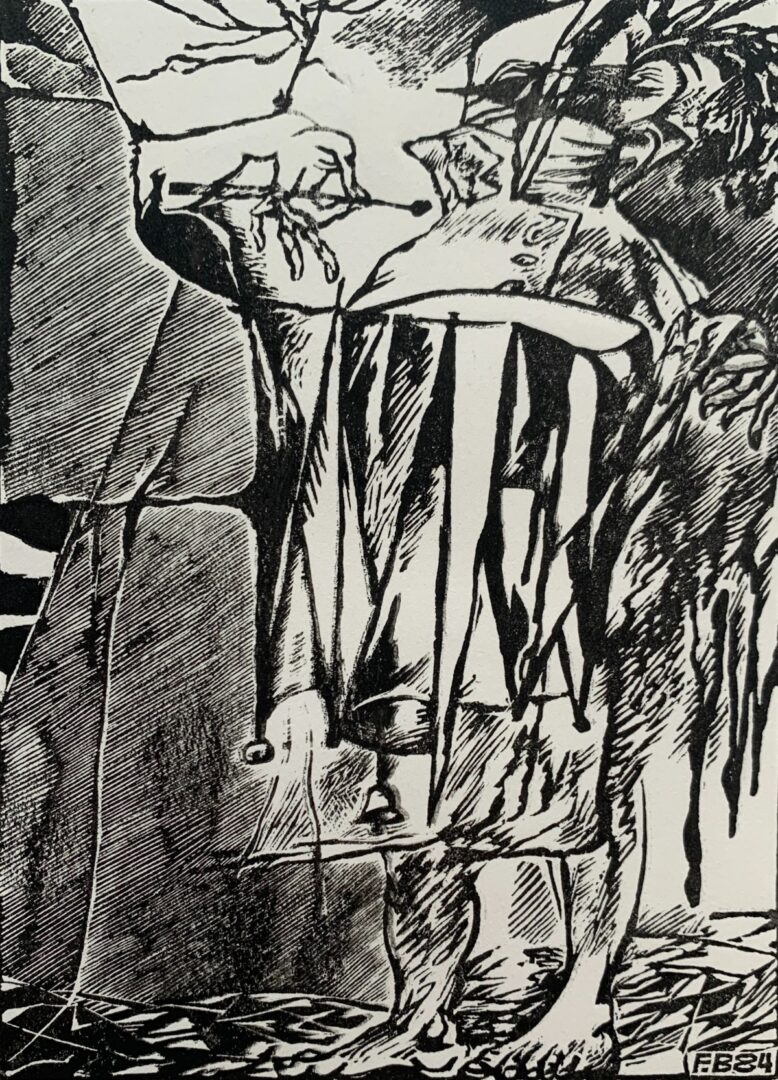
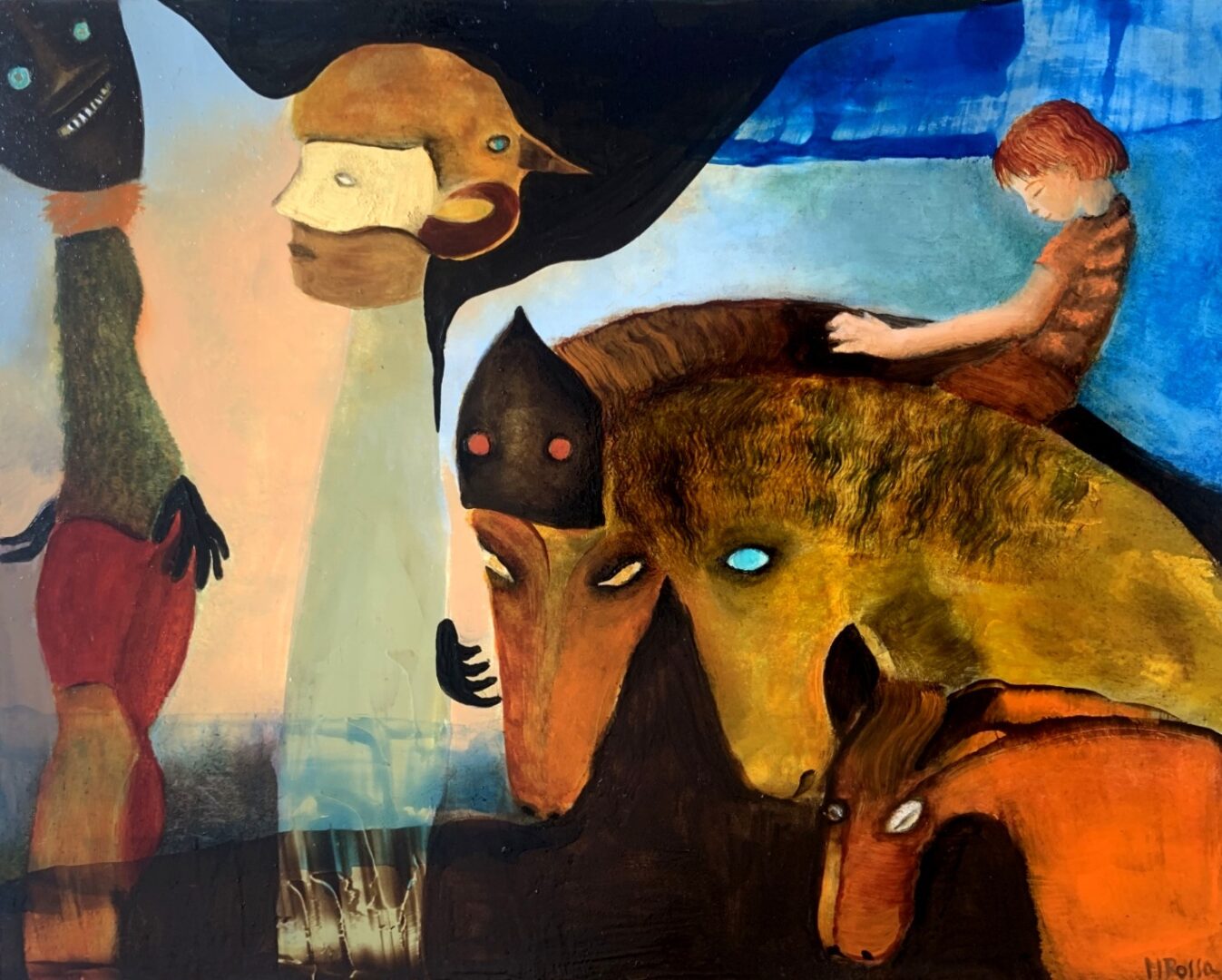
In the dialogue, the art of Ensor and Wojtkiewicz gains a new reading. It has inspired us, meanwhile, to present the works of three contemporary artists: Leszek Różga (1924-2015), Franciszek Bunsch (1926-2025), and Monika Rossa.
At the National Museum in Warsaw, the exhibition “Black Carnival” juxtaposes the works of two artists from the turn of the 19th and 20th centuries: the Belgian James Ensor and the Pole Witold Wojtkiewicz. The display, based on Polish-Belgian collaboration, presents nearly 200 works—paintings, drawings, prints—plus marionettes, masks, and carnival costumes. The concept of the “black carnival” symbolizes a world viewed with detachment from the world and reality. It is a decadent narrative drawing from the arsenal of the grotesque and irony. The exhibition sets itself the ambitious goal of juxtaposing the cultures of Young Belgium and Young Poland.
James Ensor
James Ensor (1860–1949), a Belgian painter and printmaker from Ostend, master of the grotesque and satire, drew from the Flemish carnival, folk fairground theater, and the Dutch tradition of bawdy humor and moralizing. His works, full of masks, parades, and deformations of figures, criticize the hypocrisy of society, eroticism, and death, dominated by sharp colors and fantasy. Ensor, associated with modernist Young Belgium, gained recognition only after his death, influencing Surrealism and Expressionism.
Witold Wojtkiewicz
Witold Wojtkiewicz (1879–1905) was a Polish Symbolist and precursor of Expressionism from the Young Poland circle who died very young. He created lyrical, somnambulistic fairy-tale visions, cabaret-related ones associated with the Green Balloon, and traditions of the Kraków crèche. Extremely well-known are the melancholic scenes of children’s processions—scenes reminiscent of a children’s crusade, full of anxiety and hidden meanings. His short career, interrupted by tuberculosis at the age of 26, resulted in works full of irony, the grotesque, but also eroticism, distinguished by psychological depth.
Contemporary Inspiration
In the dialogue, the art of Ensor and Wojtkiewicz gains a new reading. It has inspired us, meanwhile, to present the works of three contemporary artists: Leszek Różga (1924-2015), Franciszek Bunsch (1926-2025), and Monika Rossa.
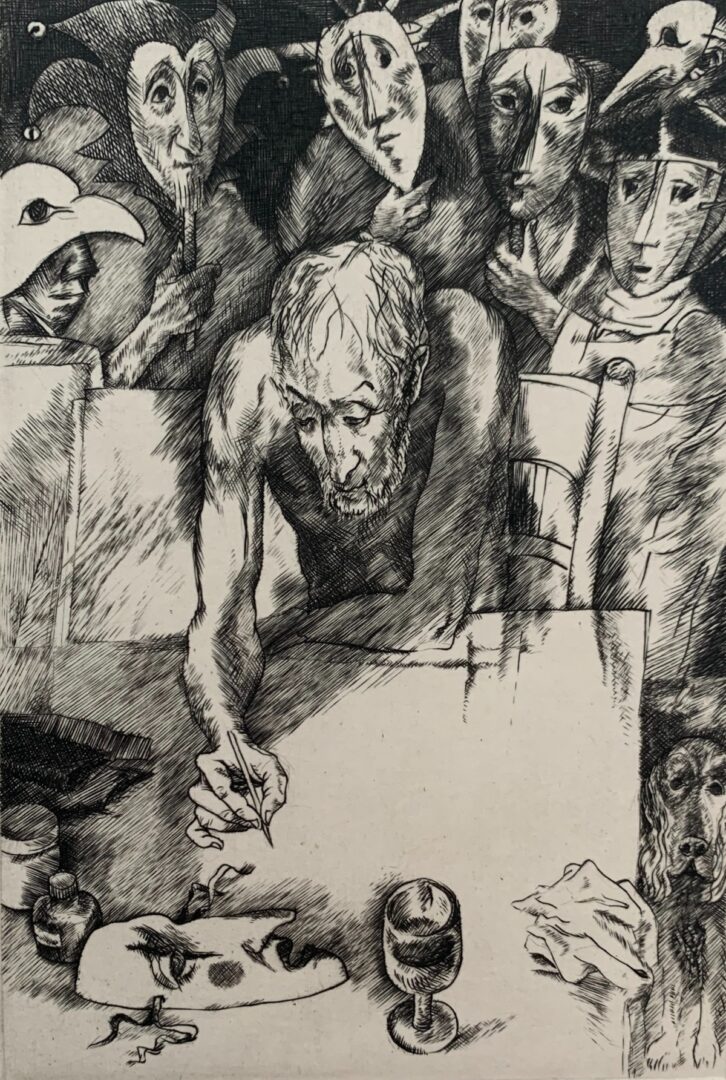
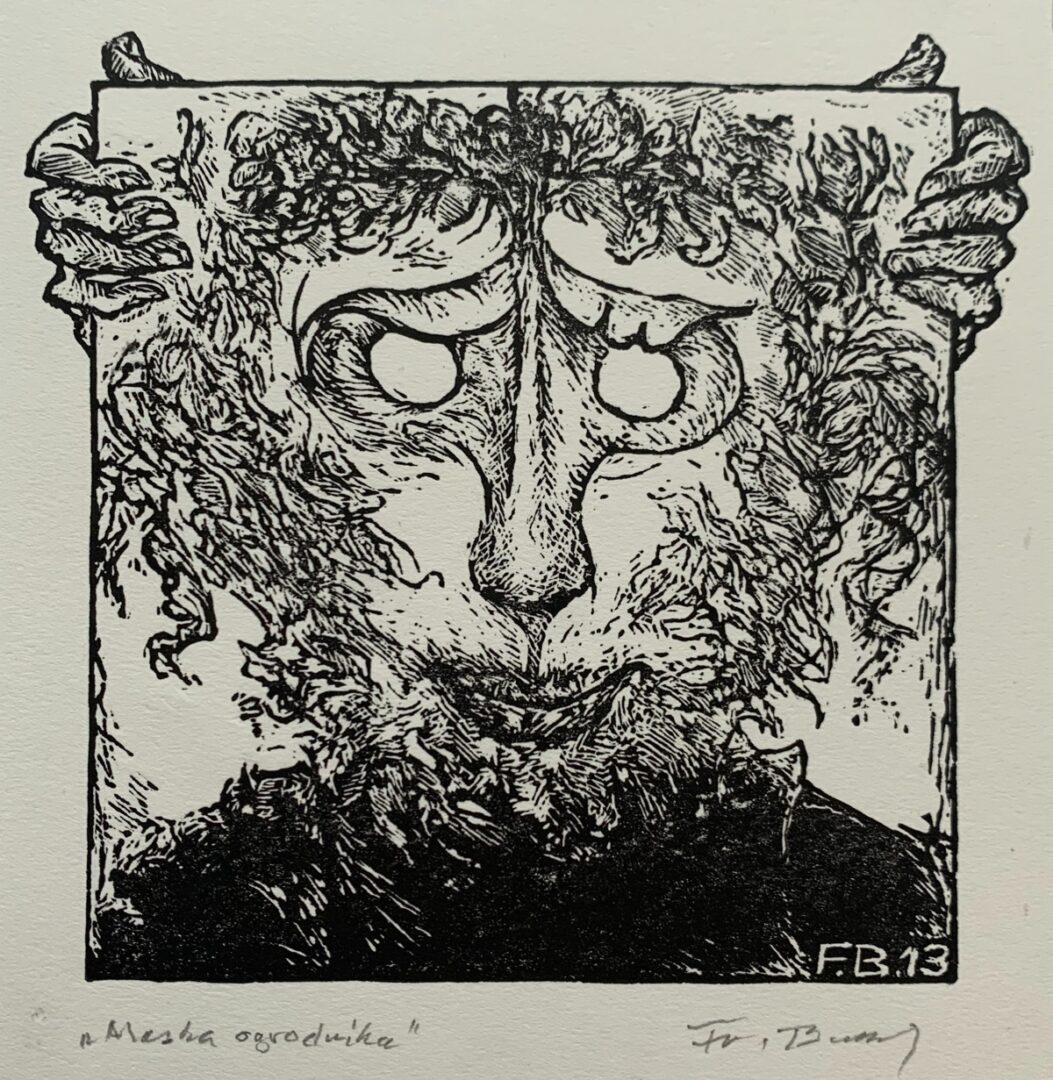
FRANCISZEK BUNSCH


MONIKA ROSSA


LESZEK RÓZGA